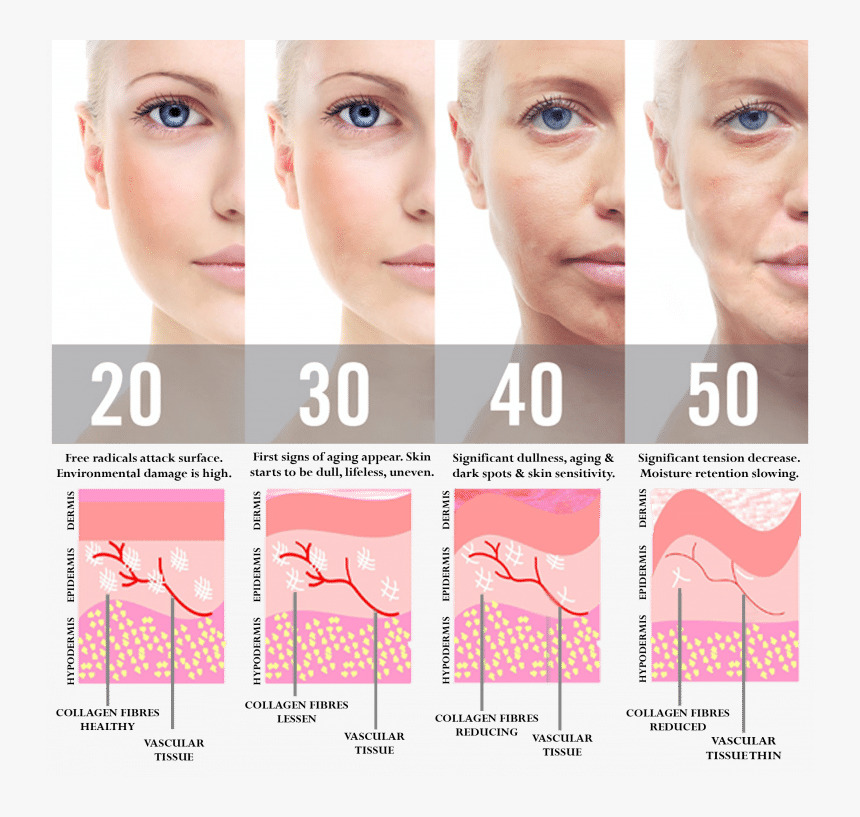
A frequent quiz question is: What is the largest organ in the human body? Most people will answer by mentioning the heart, liver, and other internal organs. But in truth, the largest organ in the body is the skin we see every day. The skin is an outermost reflection of overall health and how fast you age. Healthy people tend to have healthy-looking skin and vice-versa; people who are ill show early signs in the appearance of their skin. From a bodybuilding and fitness point of view, the appearance of skin is vital. The appearance of the skin in bodybuilders who use large amounts of anabolic steroids is a manifestation of such use, with severe acne being one of the earliest signs of extensive steroid abuse. On the other hand, other anabolic hormones, such as growth hormone (GH) and insulin-like growth factor-1 (IGF-1), can often help maintain a more youthful skin appearance. DHEA, an adrenal steroid hormone, is the primary cause of acne that first appears during adolescence.
With age, the skin is the first indicator of the aging process. Formerly smooth skin now appears thinner, showing fine lines and deep wrinkles. The extent of such changes depends on several factors, including genetic propensities, diet, and body composition. This is exemplified by the recent popularity of a class of drugs designed to help treat type-2 diabetes but also promote extensive weight loss. The drugs are classified as GLP-1 agonists, meaning they mimic the effects of a gut hormone called glucagon-like peptide-1. Some of those who used the drugs lost as much as 70 pounds or more. However, with that weight loss came possible side effects, including skin damage. One such effect was dubbed "Ozempic face," named after the trademark of a popular GLP-1 agonist. What happens is that the rapid weight loss promoted by the drug causes a loss of fat in the face that can make a person look much older than their chronological age. Lines and wrinkles appear that were never there before using the drug. Of course, the same effect can happen with any extensive body fat loss. Fat in the face tends to disguise wrinkles and lines.
Public figures know the importance of maintaining an eternally youthful appearance, so they often resort to measures that might impart such an appearance. That usually means some cosmetic treatment that can include plastic surgery. The results of such practices are frequently not as good as expected, with procedures such as facelifts producing a face devoid of expression and looking about as unnatural as you can get. Few people want to look old, regardless of celebrity status, and often turn to questionable cosmetic products that are touted to reduce the appearance of skin aging. This also applies to hair loss, another indicator . . .
Join today and get access to this article and all past and present Newsletters, since September 2014. Each month you’ll get a new issue sent to your inbox. Subscribe today for only $10/month!