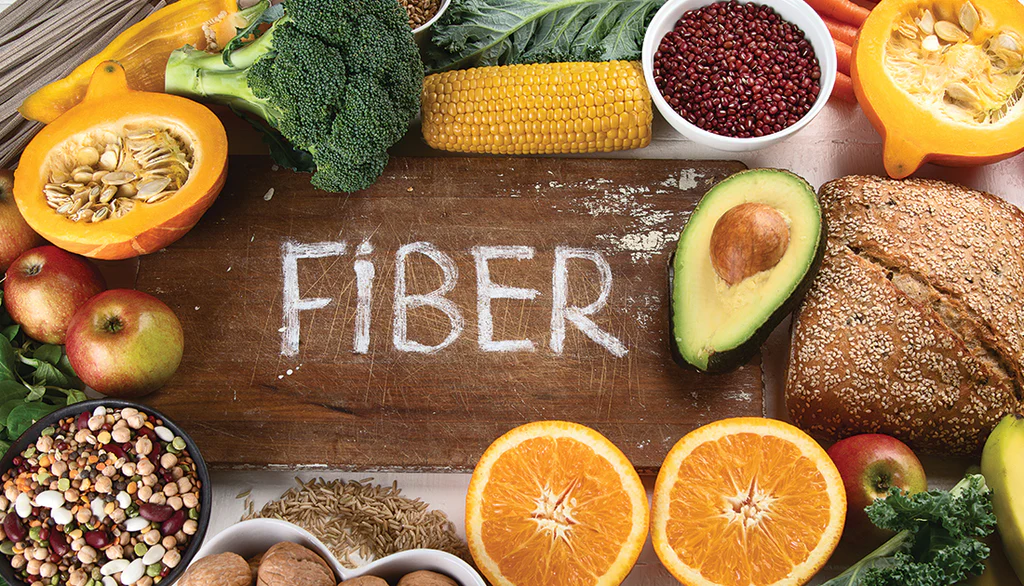
Similar to the comedian Rodney Dangerfield, dietary fiber gets no respect. While other nutrients have ascended to superstar status, such as vitamin D, anointed as a near cure-all for all diseases, nutritional fibers aren't often highlighted or considered necessary. Indeed, dietary fiber is more maligned than ever with the advent of diets that eliminate nearly all dietary fiber, such as the"Carnivore Diet," which features only animal protein foods and doesn't allow the most common sources of dietary fiber, such as fruits and vegetables. The popular ketogenic diet also lacks carbohydrate-rich foods, which are the best sources of fiber. Advocates of these diets with no fiber often claim that dietary fiber is not only superfluous in human nutrition but can, conversely, be harmful to health. Dietary fiber is a form of complex carbohydrates, but the primary characteristic of fiber is that it isn't digestible. While there is no human nutritional requirement for carbohydrates, eliminating fiber will eventually cause health problems, the most common of which is constipation.
Constipation is something that people often prefer not to discuss, but it can be a significant problem. I recall an incident where a professional bodybuilder, who had just completed the prejudging of a contest and was the likely winner, had to drop out after the prejudging. It wasn't from the usual problems, such as severe muscle cramps resulting from overusing diuretic drugs, but rather because he had a crippling case of constipation. That resulted from the stringent diet that he used to get into "ripped" condition for the contest, but it was completely lacking any source of dietary fiber. What brought on his severe constipation crisis, which eliminated him from competing, was dehydration caused by not drinking any water, compounded by his ingestion of a potent diuretic drug. Dietary fiber, while an effective preventive against constipation (ingesting too much can cause constipation), does much more than prevent constipation. Some recent studies suggest that dietary fiber can help preserve muscle mass in those over 40 and may be a more effective fat-loss aid than most "fat burner" food supplements.
The relatively recent recognition of the importance of the intestinal microbiome has also highlighted the importance of ingesting sufficient dietary fiber. The intestinal microbiome is the population of trillions of organisms in the large intestine, comprising a diverse range of bacteria, fungi, and viruses. In the past, the only function of the microbiome was thought to be the synthesis of a few nutrients, such as the B-complex vitamins biotin and others. However, ongoing research shows that the microbiome is involved in every body function, from disease prevention to maintaining brain health. Where does dietary fiber enter the picture? Dietary fiber is the primary source of nutrition for the intestinal microbiome . . .
Join today and get access to this article and all past and present Newsletters, since September 2014. Each month you’ll get a new issue sent to your inbox. Subscribe today for only $10/month!