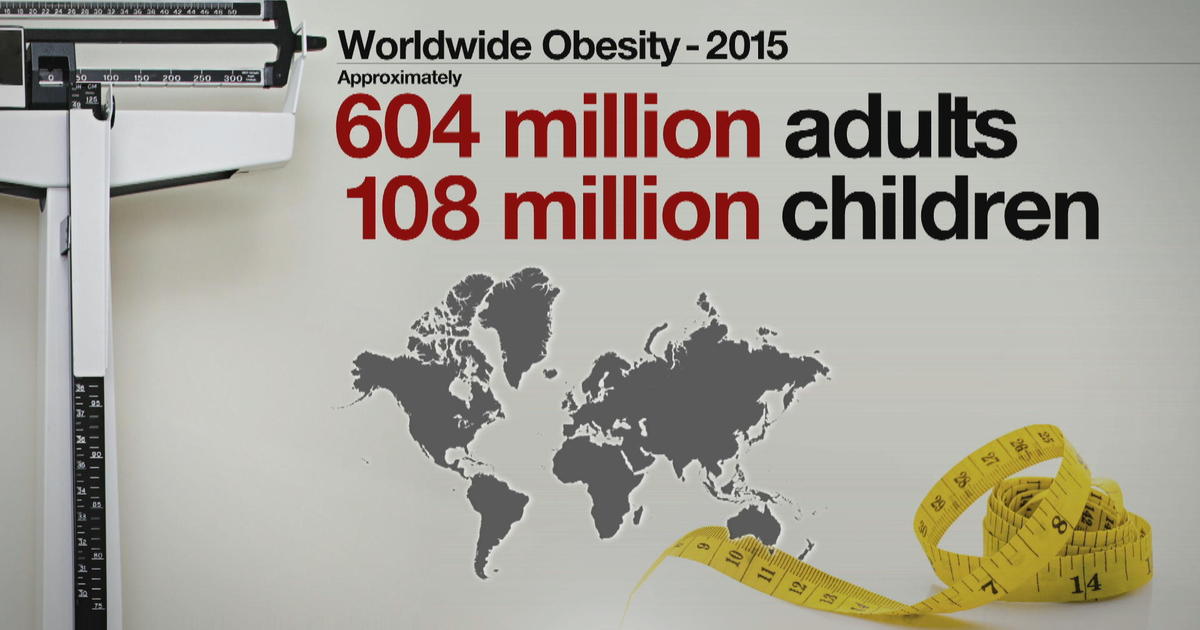
We are constantly besieged with new diets that all claim to be the ultimate cure for excessive body fat levels. And increased body fat is a major health problem. Americans have been getting fatter each year since the 1970s. Much of this increased rate of obesity is related to not enough physical activity combined with poor eating habits. In the 70s, dietary fat became demonized and people were told to lower their fat intake and increase their carbohydrate intake. In one respect, this made sense. A gram of dietary fat contains 9 calories compared to the 4 calories per gram found in both protein and carbohydrates. Another aspect to consider was that excess dietary fat showed a proclivity to convert into body fat far more easily compared to protein and carbs. But while all this made sense, substituting carbs for fat not only didn't lower the rate of obesity but increased it considerably. How can that be? The problem was rather than consuming healthy carb foods, such as fruits and vegetables, people instead consumed foods rich in highly processed carbs, such as those containing high fructose corn syrup or HFCS. HFCS itself is not inherently fattening as most people believe, but because it's so ubiquitous in processed foods, people wind up eating excessive amounts of it. When that happens, the HFCS promotes a rapid synthesis of fat, especially in the liver. That increased liver fat, known as Non-Alcoholic Fatty Liver or NAFL is the forerunner to not only eventual liver failure, but also insulin resistance, diabetes, and cardiovascular disease.
But the simple truth that is not often discussed and is the true reason why people are fatter now than they were 40 years ago, is that it's not fat or carbs that are responsible for rapid fat gains, but rather the combination of the two. You can eat a large amount of unprocessed carbs, which refers to carbs that still contain a higher fiber content, without getting fat unless you are insulin insensitive. Insulin insensitivity or insulin resistance is the precursor for type-2 diabetes, which is increasing at an epidemic rate throughout the world. Some recent studies have suggested that insulin resistance does not play the major role in obesity onset that was previously thought. These studies characterize insulin as an innocent bystander in the obesity process. They often point out that without the presence of excess calories, insulin will not convert the calories into body fat. While that is true, the simple fact remains that if your insulin system is not working correctly, such as when you have insulin resistance, you will tend to oversecrete insulin, which increases the rate of body fat synthesis especially when carbohydrates are consumed. Contrary to what some "experts" claim, studies show that for those who are insulin resistant . . .
Join today and get access to this article and all past and present Newsletters, since September 2014. Each month you’ll get a new issue sent to your inbox. Subscribe today for only $10/month!