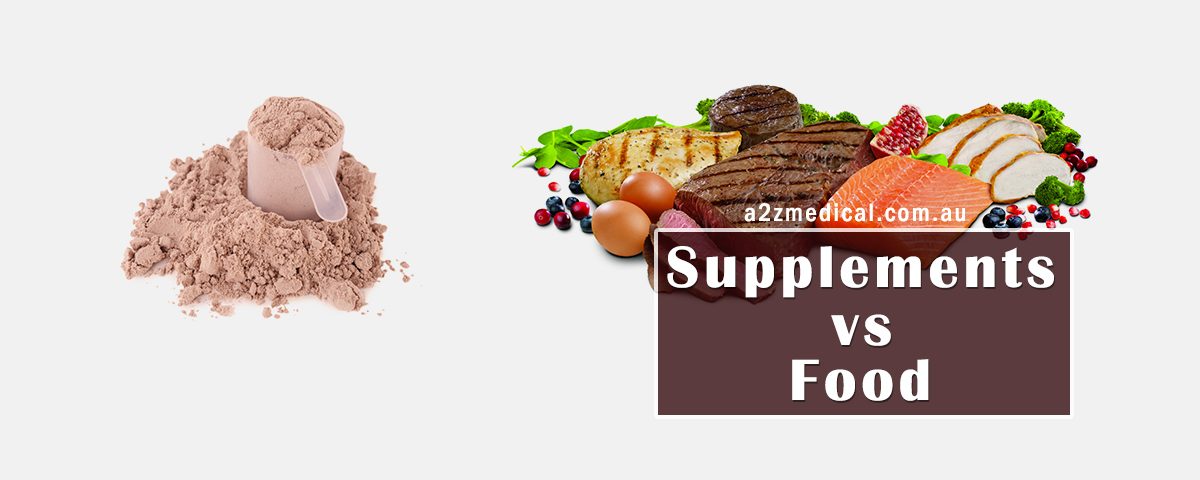
Food supplements are a big business. Billions are made every year on the sale of various food supplements. Yet many health authorities downplay the value of food supplements, saying that they are either not necessary or can be dangerous due to possible toxic effects. That, of course, is a generalized statement that doesn't consider individual preferences for foods and diets. In addition, most physicians are not trained in nutrition at all and know nothing about food supplements. As such, they are poor sources of information about the value or lack of value of various food supplements. Instead, they rely on the frequent mantra of the necessity to get all the required nutrients from a balanced diet. A balanced diet can be defined in various ways, but generally, it refers to consuming a variety of foods from different food groups, such as meats, dairy, fruits, vegetables, grains, and so on. The important point, however, is that unless you consume a certain number of servings from each food group, you won't be getting all the essential nutrients required for health.
And therein lies the problem with the concept of balanced food intake. Many people for varied reasons won't consume some of the "essential foods" listed in balanced diet charts. That could stem from personal distaste for certain foods. For example, I've never developed a taste for vegetables and less so for fruits. This is true despite fruits and vegetables being among the healthiest foods you can eat. Some of this could involve genetic factors, but a more likely reason is that I wasn't provided with these foods as a child and never developed a taste for them. Indeed, an incident that occurred when I was four years old didn't help, either. I was eating some homemade apple sauce and a large chunk of apple got stuck in my throat, nearly killing me. I survived the incident but it left me with a distinct distaste and near fear of eating fruits. As the years went by and I became more well-versed in nutrition, I realized how unbalanced my diet was. While I wasn't suffering any obvious nutritional deficiencies, I was also aware that I was missing some valuable and protective nutritional factors that existed only in whole food.
I have attempted over the years to try and circumvent my distaste for certain foods by supplementing the primary nutrients contained in the missing foods. And this has largely been successful. It's also far more expensive than getting the nutrients from whole food sources. But in some ways, I'm ahead of the game. What I mean by that is modern food is often overly processed or has added substances such as pesticides that overrule the possible nutritional value offered by the foods. This is not a . . .
Join today and get access to this article and all past and present Newsletters, since September 2014. Each month you’ll get a new issue sent to your inbox. Subscribe today for only $10/month!