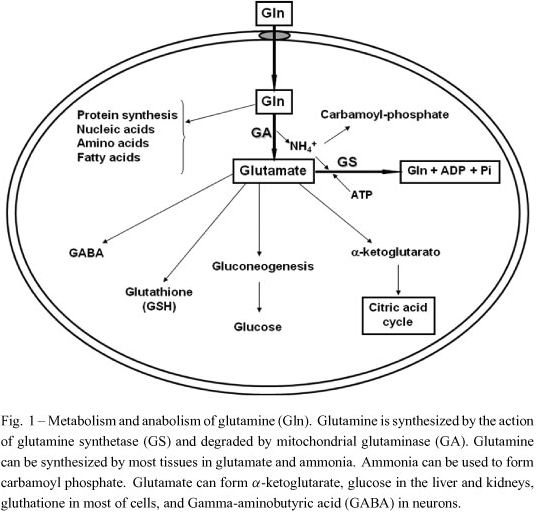
Glutamine is considered a "conditionally essential amino acid." This means that under normal conditions, enough glutamine is synthesized in the body to meet normal needs. Indeed, the body produces between 50 to 120 grams of glutamine each day. Glutamine is a preferred fuel for the cells that line the gastrointestinal tract, which slough off every three days and must be replaced. The main fuel for this purpose is glutamine. Glutamine also functions as a nitrogen shuttle, which is involved in the production of other amino acids. In fact, glutamine is the most abundant amino acid in the body, with 50% of the total amino acid pool in the body being composed of glutamine. Glutamine also makes up 60% of intramuscular amino acids. Among its many functions in the body, glutamine is involved in the urea cycle, in which metabolic byproducts of protein digestion are excreted safely. Glutamine also helps control the level of ammonia produced in the body, with excess ammonia being converted into glutamine. Glutamine is vital for maintaining optimal levels of glutathione, a major endogenous antioxidant and detoxifying substance in the body. The main thing to understand about glutamine is that it comes into play most often under highly stressful conditions. With high stress from any source, the body often cannot keep up its production of glutamine. When that happens, glutamine becomes essential, explaining why it's called "conditionally essential."
Glutamine stores are known to drop significantly under catabolic conditions. Such conditions can include post-surgery and whenever there is a huge loss of protein. One example is with severe burns, in which up to 50% of the protein stores of the body can be lost. For this reason, hospitalized burn patients are often provided a large intravenous dose of glutamine averaging up to 60 grams of glutamine. The glutamine stops the protein losses and preserves nitrogen. Glutamine is known to block the catabolic effects of cortisol in the body http://www.ncbi.nlm.nih.gov/pubmed/15251668, and also seems to partially block the activity of myostatin, a protein known to block muscular growth.http://www.ncbi.nlm.nih.gov/pubmed/16919545.
In bodybuilding, glutamine wasn't known until the early 90s. At that time, a physician named Scott Connelly had been working with hospitalized critical care patients, most of whom were catabolic. In an effort to forestall excess protein loss in the patients, Connelly developed a food supplement that would supply all the nutritional factors that helped to maintain lean mass, even under catabolic conditions. The key ingredient in the new formula was glutamine. In his work with the catabolic patients, Connelly had noted how well they . . .
Join today and get access to this article and all past and present Newsletters, since September 2014. Each month you’ll get a new issue sent to your inbox. Subscribe today for only $10/month!