The most expendable macronutrient is, without a doubt, carbohydrates. The other macronutrients, fat and protein, are essential elements of human nutrition. The body requires two types of essential fatty acids: omega-6 and omega-3 fatty acids. They are crucial not only because they function in the body but also because they cannot be synthesized and must be supplied through either food or supplement sources. While the body is mainly composed of water, protein is dominant among the solid portions of the body. Protein plays a vital structural role and is the raw material for various hormones and neurotransmitters in the brain. What is essential are nine amino acids, the constituents of protein. That leaves carbohydrates. The level of glucose circulating in the blood is vital. If it becomes too low, a condition called hypoglycemia can occur, potentially leading to fainting because glucose is the primary fuel for the brain. Carbohydrates are stored in the body to a limited extent as glycogen in the liver and the muscles. The glycogen stored in the liver is available for systemic use, which is essential for maintaining blood glucose levels. But muscle glycogen is only usable by the muscle it's stored in because the muscle lacks the enzyme needed to break down stored glycogen.
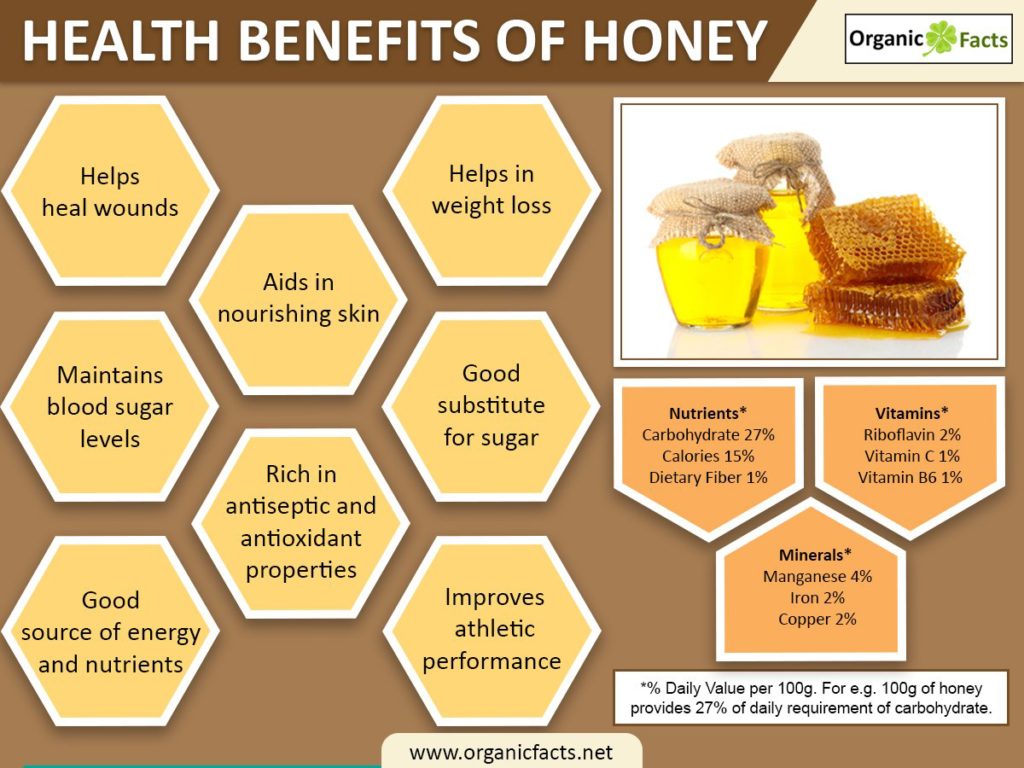
This information about the importance of maintaining a particular blood glucose level and the fact that muscle glycogen is a primary fuel source for exercise suggests that carbohydrates should be essential. From a technical perspective, honey is a complete meal. This doesn't mean that you should live on honey, but rather illustrates how complete honey is as a source of nutrients.
Honey: Just the facts
Honey has a long history of use and is mentioned in every religious text. It was the first known sweetener and is 25% sweeter than table sugar, also known as sucrose. Most people know that honey is the product of bees, which has led some to characterize honey as "bee vomit," which is true, but is far more palatable than human vomit and isn't the same from a biochemical point of view. The Holy Bible of Muslims, the Qur'an, devotes an entire chapter to honey and recommends it for use as food and medicine. Honey also features prominently in Christian and Jewish Bibles. King Solomon is quoted in the Bible as saying," Eat honey, my son, because it is good." When John the Baptist wandered in the desert for extended periods, he lived entirely on natural honey. Or so says the Bible. Evidence from Stone Age paintings suggests that the treatment of disease with bee products, such as honey, originated approximately 8,000 years ago. Ancient scrolls, tablets, and books-Sumerian clay tablets (6200 BC), Egyptian papyri (1900–1250 BC), Veda . . .
Join today and get access to this article and all past and present Newsletters, since September 2014. Each month you’ll get a new issue sent to your inbox. Subscribe today for only $10/month!