I'm often asked what I consider to be the best year-round diet. Such a diet would help to maintain muscle mass and also promote increased muscle mass while minimizing health risks, such as cardiovascular disease and cancer, the two greatest killers. My answer to that question would be to consider two popular styles of eating. Which one is more suitable depends more on your food preferences. One of these recommended diets is the Mediterranean Diet (MD). The MD consists of vegetables, fruits, herbs, nuts, beans, and whole grains. Meals are built around these plant-based foods. Moderate amounts of dairy, poultry, and eggs are also central to the Mediterranean Diet, as is seafood. In contrast, red meat is eaten only occasionally. This is the type of eating style that most nutrition authorities suggest is the best all-around diet for promoting health and longevity. Indeed, it is thus far the only type of eating style known to promote longevity, with the exception of calorie restriction, which is far too severe for most people. The many nutrients and protective nutritional elements that are contained in the MD offer definite protective effects against the most common causes of premature mortality, namely cardiovascular disease and cancer. In addition, because of the generous intake of fiber contained in the MD, it is more filling and thus usually promotes a calorie intake that is more commensurate with physical activity. That means less likelihood of gaining fat weight, which is another reason why the MD would promote a longer lifespan.
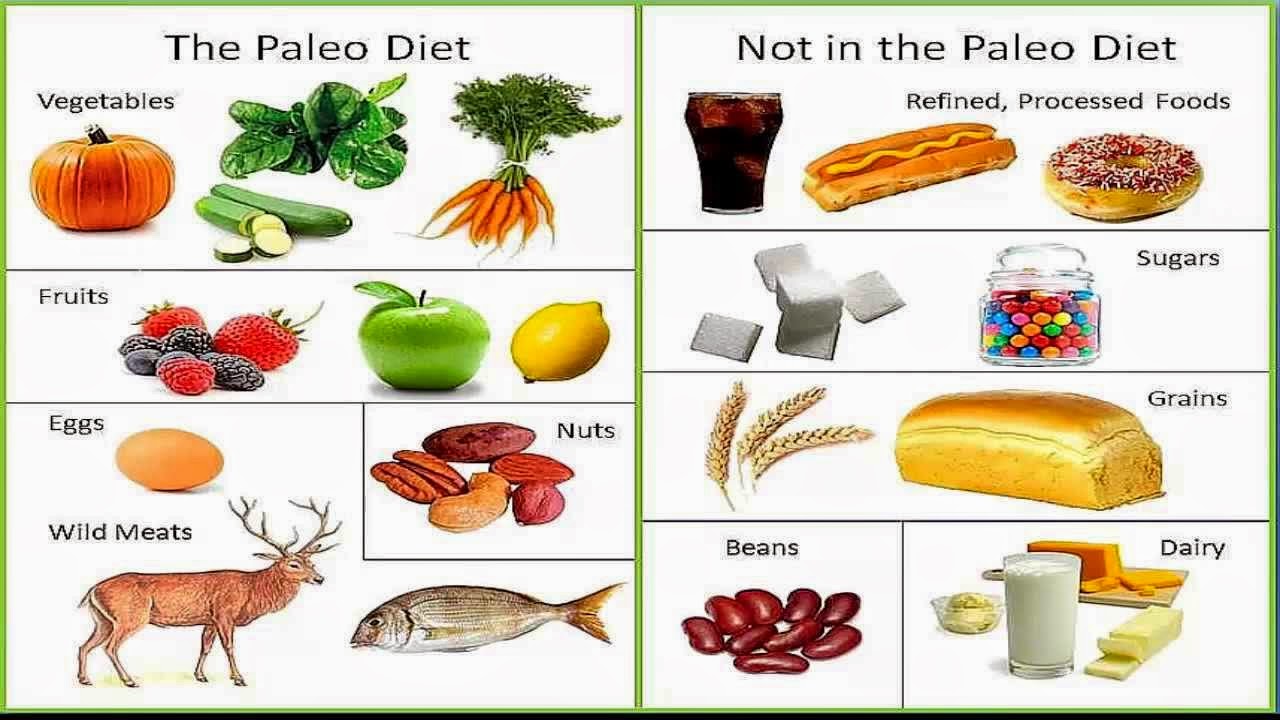
The other type of diet that I suggest is known as the Paleolithic diet (PD). It's called the "Paleolithic diet" because it's supposedly based on how humans ate during the Stone age, which started about 2.5 million years ago. That period ended with the ascendance of the Agricultural revolution, which occurred about 10,000 years ago. But the primary philosophy of the Paleo diet advocates is that the basic genetic structure of humans remains the same as it was back in the Stone age. That notion, however, is questionable for a number of reasons. For one, no one really knows how primordial humans ate. As such, the entire concept of the PD is based on a theory of precisely how ancient man consumed food. Another concept of the PD is that the majority of human diseases arose because of a conflict between ancient genes and modern foods that the body never fully adapted to. Paleo proponents like to point out that many of the current killer diseases were rare among our caveman ancestors, including cardiovascular disease and cancer. But they conveniently overlook the fact that the average Paleolithic man lived only to age 30, and both cardiovascular disease and cancer are relatively rare in younger persons even today. Another factor to consider is that . . .
Join today and get access to this article and all past and present Newsletters, since September 2014. Each month you’ll get a new issue sent to your inbox. Subscribe today for only $10/month!