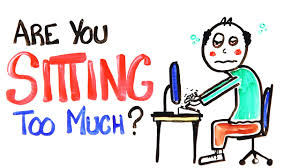
You probably want to be seated because of what I will tell you. Then again, you probably should not be seated. Statistics show that the average person sits for 7.7 hours daily, with some staying seated for a whopping 15 hours. While people have been seated since time immemorial, it's only recently that the adverse health effects of extended sitting have become apparent, and it's far worse than you can imagine. You would think something as seemingly innocuous as sitting would have minimal to no effects on health. Still, the truth is that the damage associated with extended sitting has been compared to smoking about two packs of cigarettes daily. And while the effects of sitting get worse the longer you stay seated, adverse metabolic effects occur after only 20 minutes of sitting. With the advent of computer games and Internet entertainment sources, such as Netflix and dozens of other streaming video sites, people can often sit for hours on end as they "binge-watch" various movies. They have no idea of the degree of harm that they are inflicting on themselves. Bodybuilders and other athletes should be aware of the adverse effects of sitting. Some evidence shows that extended sitting can promote faster gluteus and thigh muscles atrophy. Consider that standing three hours a day or more each day for a year burns 30,000 calories and results in losing 8 pounds of fat. That degree of standing is equal to running ten marathon races
The notion that extended sitting is terrible for health first became evident in a study of London bus drivers in the 1950s. The drivers of the buses sat all day while guards on the bus remained standing and moved more. It turned out that the more sedentary or seated drivers showed twice the risk of getting heart attacks compared to the guards. And this was true despite both the drivers and the guards consuming similar diets. This raises the question of whether exercise can counter the adverse health effects of extended sitting. Some studies suggest that exercise can minimize or block the effects of sitting. But that depends on how long a person is seated. With prolonged sitting, such as 7 hours or more, not even 7 hours of exercise will completely block the harmful health effects of sitting.
Another hint as to the effects of sitting came from evidence showing that staying seated during longer flights can significantly increase the risk of developing a blood clot. Staying seated for extended times allows blood circulation to become stagnant, which raises the risk of developing clots, especially in the legs. The clots can travel to the lungs and cause a pulmonary embolism that could prove fatal without immediate medical intervention. The low humidity of airline cabins also promotes dehydration, which adds to the problem. The solution . . .
Join today and get access to this article and all past and present Newsletters, since September 2014. Each month you’ll get a new issue sent to your inbox. Subscribe today for only $10/month!