The consensus about vegan nutrition for bodybuilding is that it doesn't work. How else to explain the lack of elite bodybuilders who were fully vegan? Vegan, in this sense, refers to those whose diets are limited to eating exclusively plant foods. A vegan falls under the general heading of vegetarianism, but not all vegetarians are vegans. Some vegetarians don't eat red meat but will eat fish. Other vegetarians don't consume meat or fish but will eat milk and eggs; they are known as "lacto-ovo vegetarians." However, the only true vegetarians are vegans, and that's what will be referred to here. More recently, the notion that one cannot develop significant muscle mass and strength solely by eating plant-based foods has been questioned. Many athletes and even bodybuilders are full vegans, and they show a respectable degree of muscle mass and definition. Despite this, research on the effectiveness of vegan diets for muscle building is paradoxical.
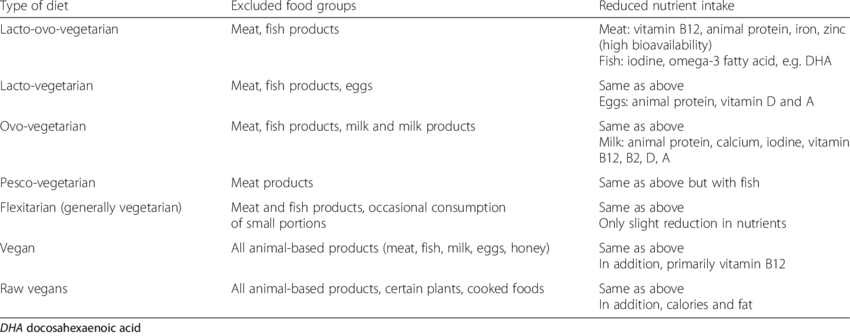
The primary concern with vegan diets for bodybuilding is the potential for deficiencies in high-quality protein and specific essential nutrients that can only be obtained from animal-based foods. An example of this is vitamin B12. Vitamin B12 is found only in animal foods and doesn't occur naturally in plant foods. Some plant foods do contain forms of B12, but these are not as well absorbed as the animal form. For this reason, it's essential for any vegan to supplement their diet with B12. The good news for them is that vegan versions of B12 are available and manufactured synthetically, containing no animal products. A 2017 review found that a diet rich in whole grains, fruits, vegetables, nuts, legumes, and fish, reduced red meat intake, and elimination of sugar-sweetened beverages decreased the risk of premature death by 80%.
Many reasons are offered as to why vegan diets are inferior for building muscle compared to ingesting animal protein foods. The significant difference is that animal-based protein foods contain a greater amount and a more balanced composition of essential amino acids compared to plant-based protein sources. Essential amino acids must be obtained from food sources and cannot be synthesized in the body. Nine of them exist, and they must all be present simultaneously to promote increased muscle protein synthesis, the cornerstone of muscular hypertrophy or growth. While plant foods contain all amino acids, many are not balanced because they contain insufficient amounts of specific essential amino acids. Combining crucial amino acids in plant foods is one suggested remedy for this absence. Often, one type of plant food may lack a specific amino acid that is present in another plant food. By consuming both plant foods simultaneously, the missing amino acid becomes available. This should . . .
Join today and get access to this article and all past and present Newsletters, since September 2014. Each month you’ll get a new issue sent to your inbox. Subscribe today for only $10/month!