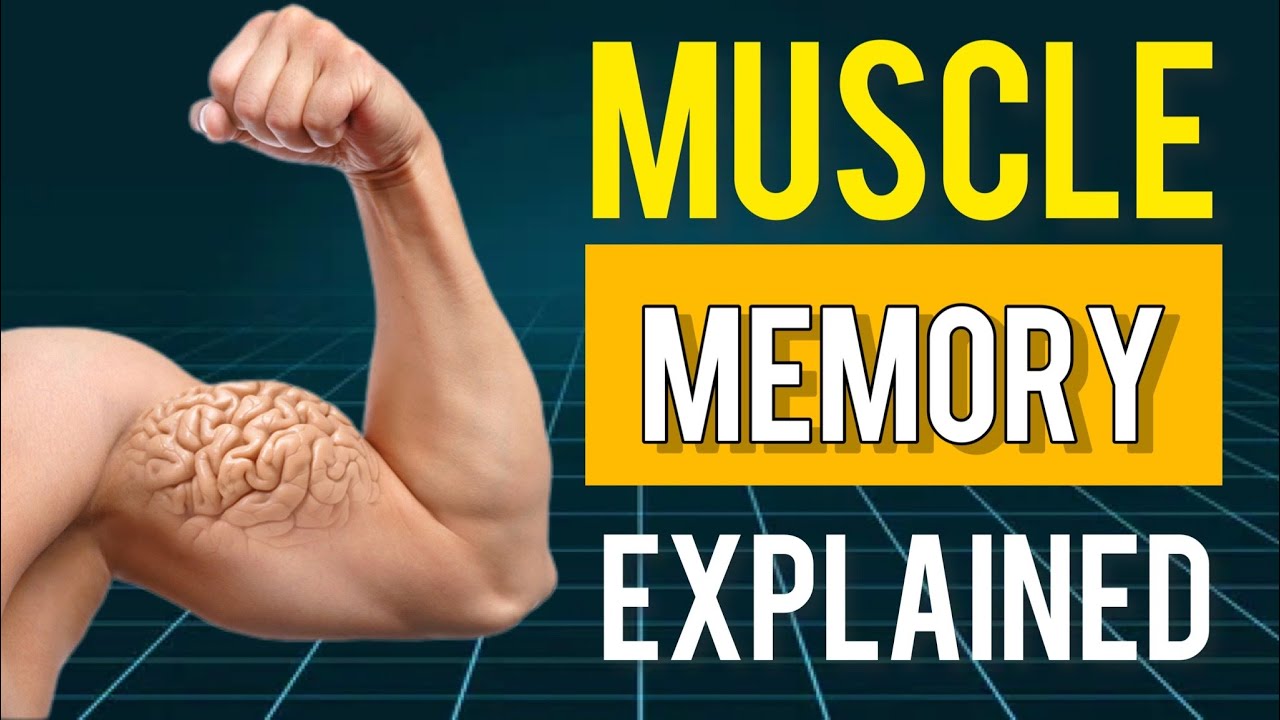
The term "memory" is most associated with brain function. A broad definition of memory is how information is stored, encoded, and retrieved when needed. Several mechanisms are involved in memory in the brain, and much of what we call memory is stored within specific brain regions, with the hippocampus often called the "seat of memory" in the brain. Amino acid-based chemicals called neurotransmitters are involved in nerve transmission and memory. Degenerative brain diseases such as Alzheimer's disease affect brain neurotransmitters and neurons in the brain linked to memory retention and function. As such, memory functions are among the first aspects of brain disease to manifest. While memory is most associated with brain function, types of memory exist in other parts of the body besides the brain. An example of this is learning how to ride a bicycle. Once you've mastered riding a bike, that knowledge is retained for life. This type of "memory" is called motor learning, and it also exists in other common behaviors, such as driving a car, writing your name, and so on.
Another type of memory also exists in the body. Bodybuilders have noticed for years that when they take extended training layoffs, whether voluntarily or because of injuries, muscle and strength are lost. The entire body works on a use-it-or-lose-it basis, and whatever isn't used gradually dissipates, including neurons in the brain and muscles. However, while the loss of brain neurons is permanent, the same isn't true for muscles. Even after extended layoffs of months to years, bodybuilders often find that their previous muscle mass and strength gradually return to previous levels before the layoff. For many years, no one knew how this happened, but it was called Muscle Memory, as if the muscle somehow remembered its previous level of size and strength and returned to it once training commenced again. In recent years, muscle physiologists have confirmed the existence of Muscle Memory and were able to deduce precisely how it occurred.
You need to know about muscle anatomy to understand how Muscle Memory works. Most cells contain a single nucleus. The cell nucleus is where the cell's genetic information, such as DNA, is stored. The cell nucleus controls all cellular activities, including growth, metabolism, and protein synthesis. The nucleus also contains chromosomes, which direct cellular reproduction and, at an earlier stage, determine biological sex. Muscle fibers differ from other cells because they contain multiple nuclei, known as myonuclei. The myonuclei are the site of muscle protein synthesis. Myonuclei are evenly distributed throughout a muscle. From a bodybuilding perspective, the more myonuclei, the greater the potential for muscular growth. However, each myonucleus works in a specific muscle fiber area called the myonuclear domain. Muscles contain stem cells called . . .
Join today and get access to this article and all past and present Newsletters, since September 2014. Each month you’ll get a new issue sent to your inbox. Subscribe today for only $10/month!